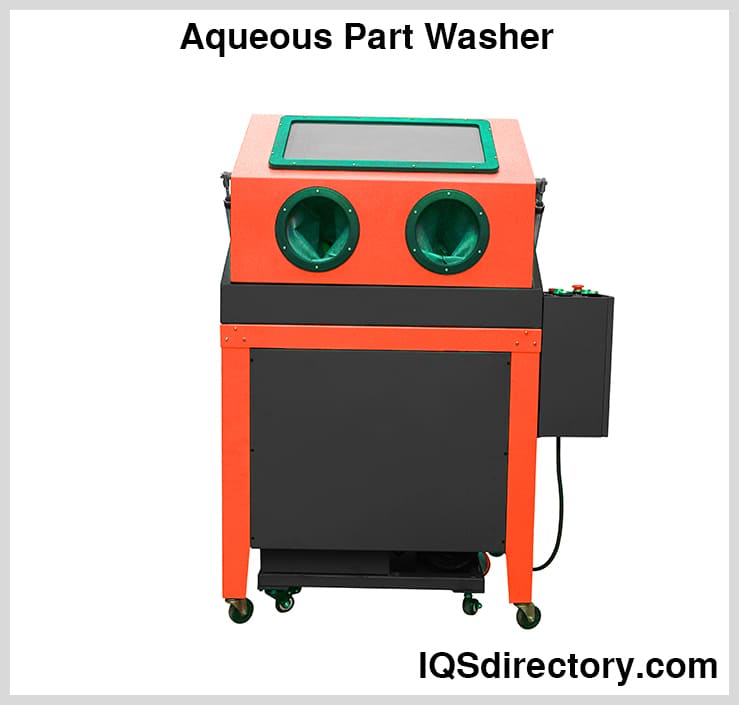
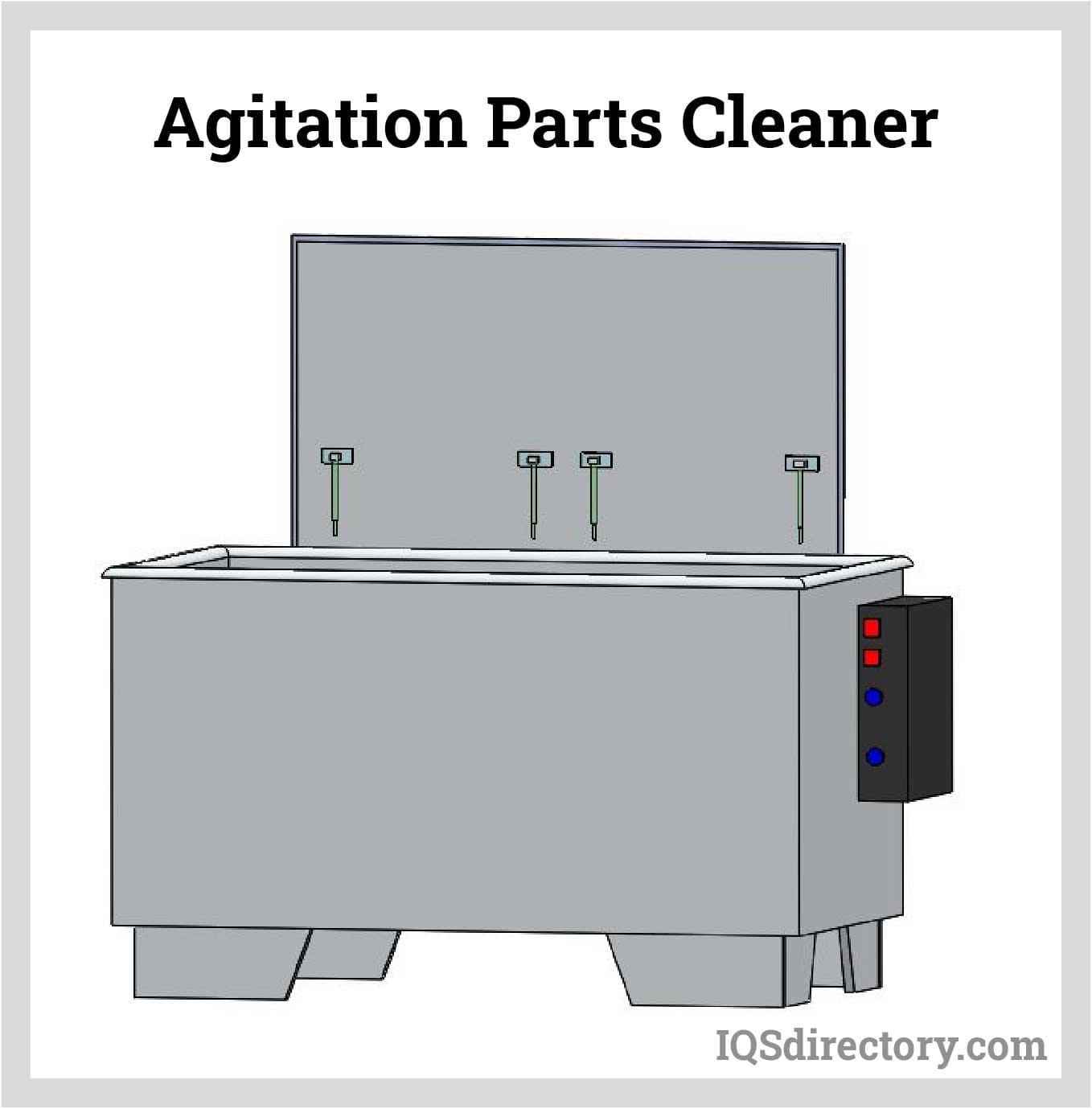
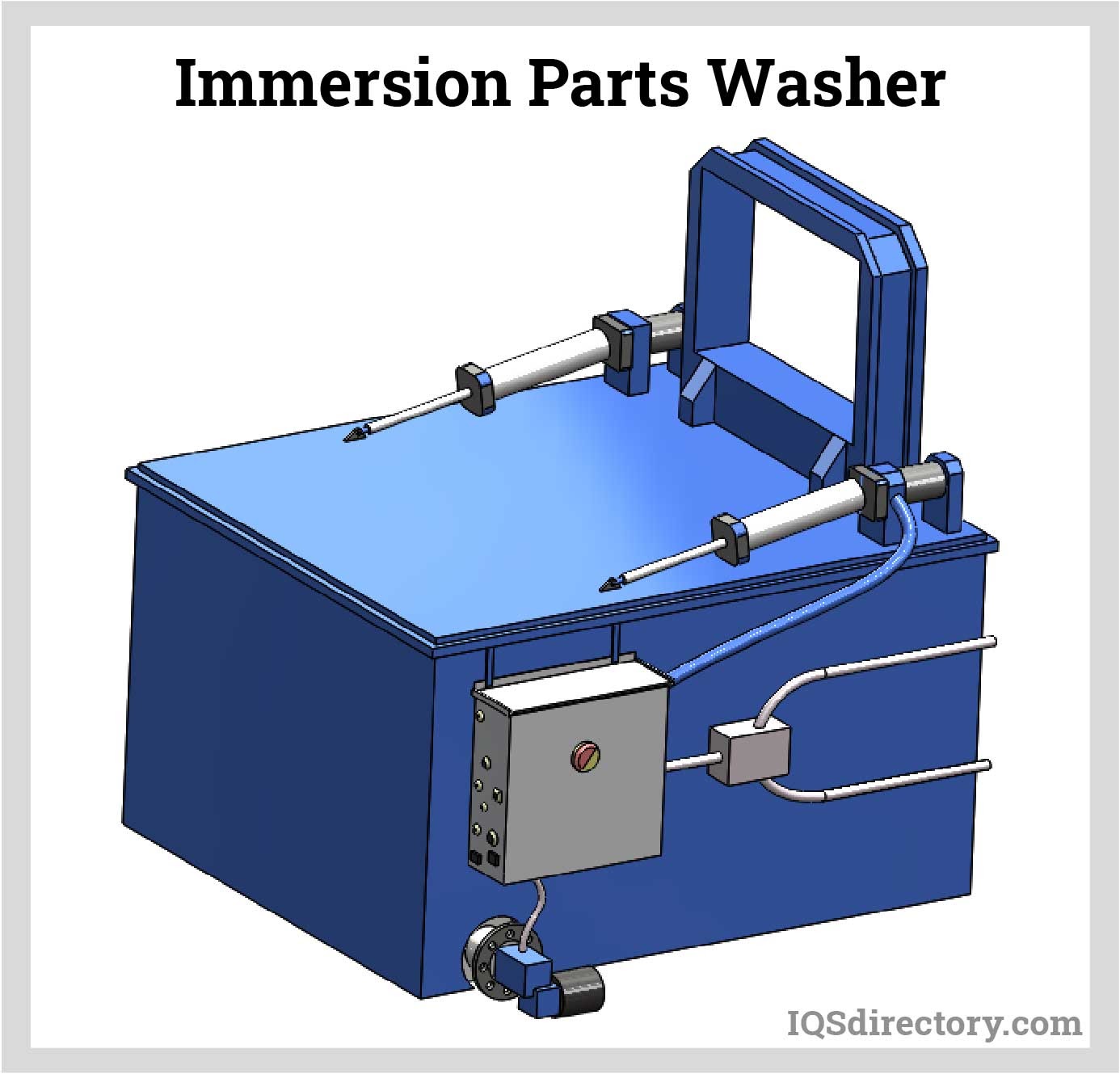
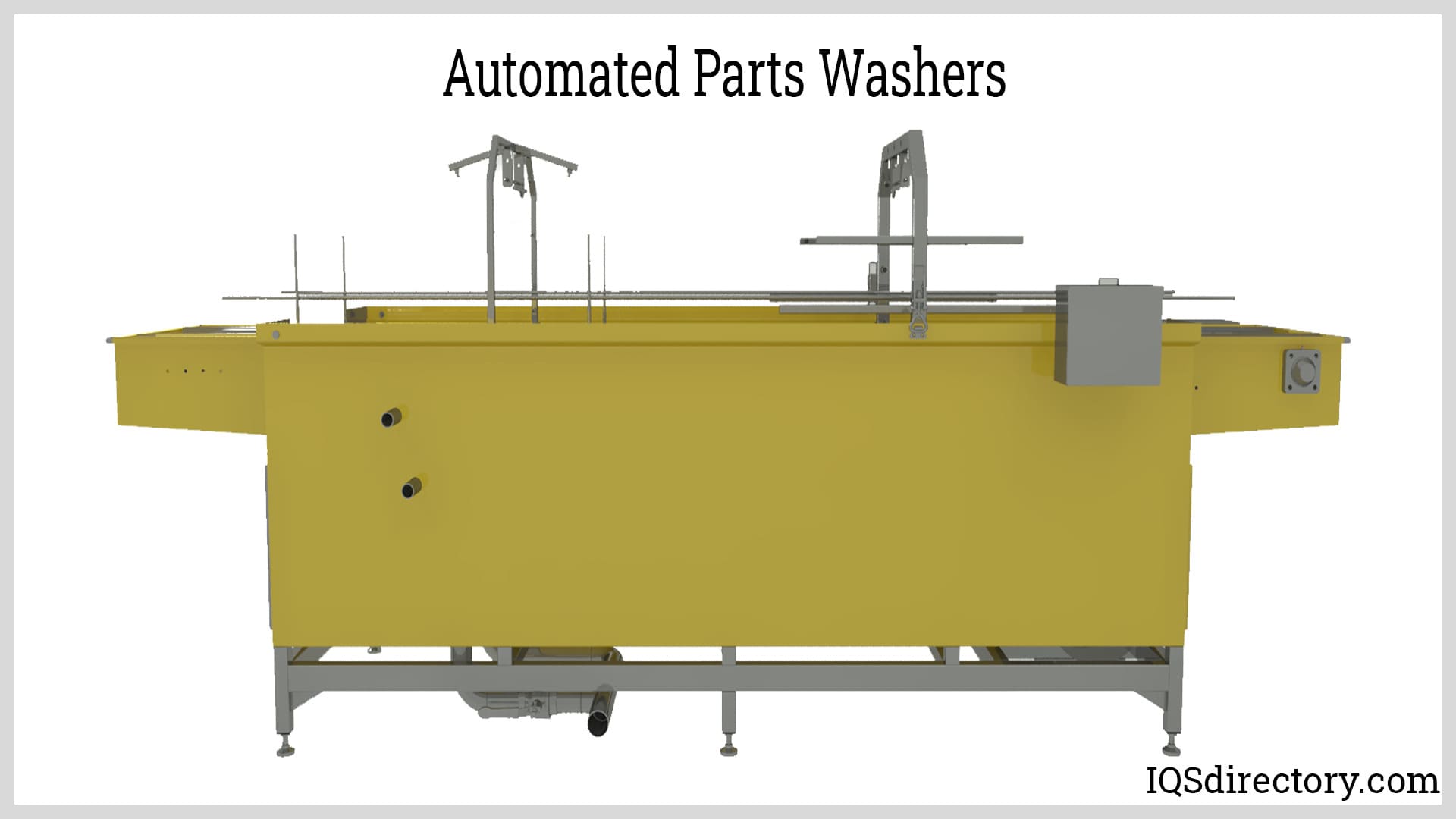
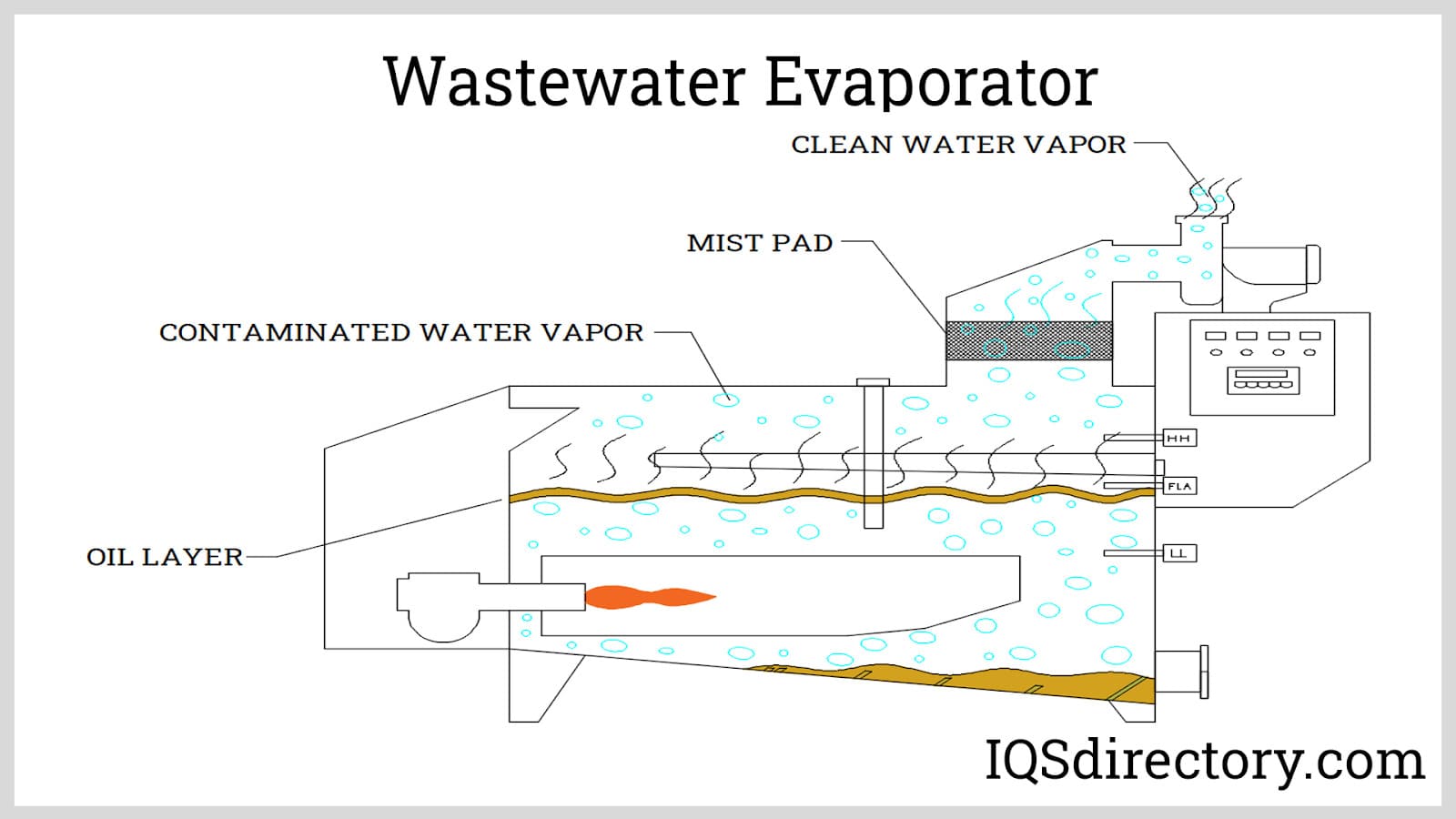
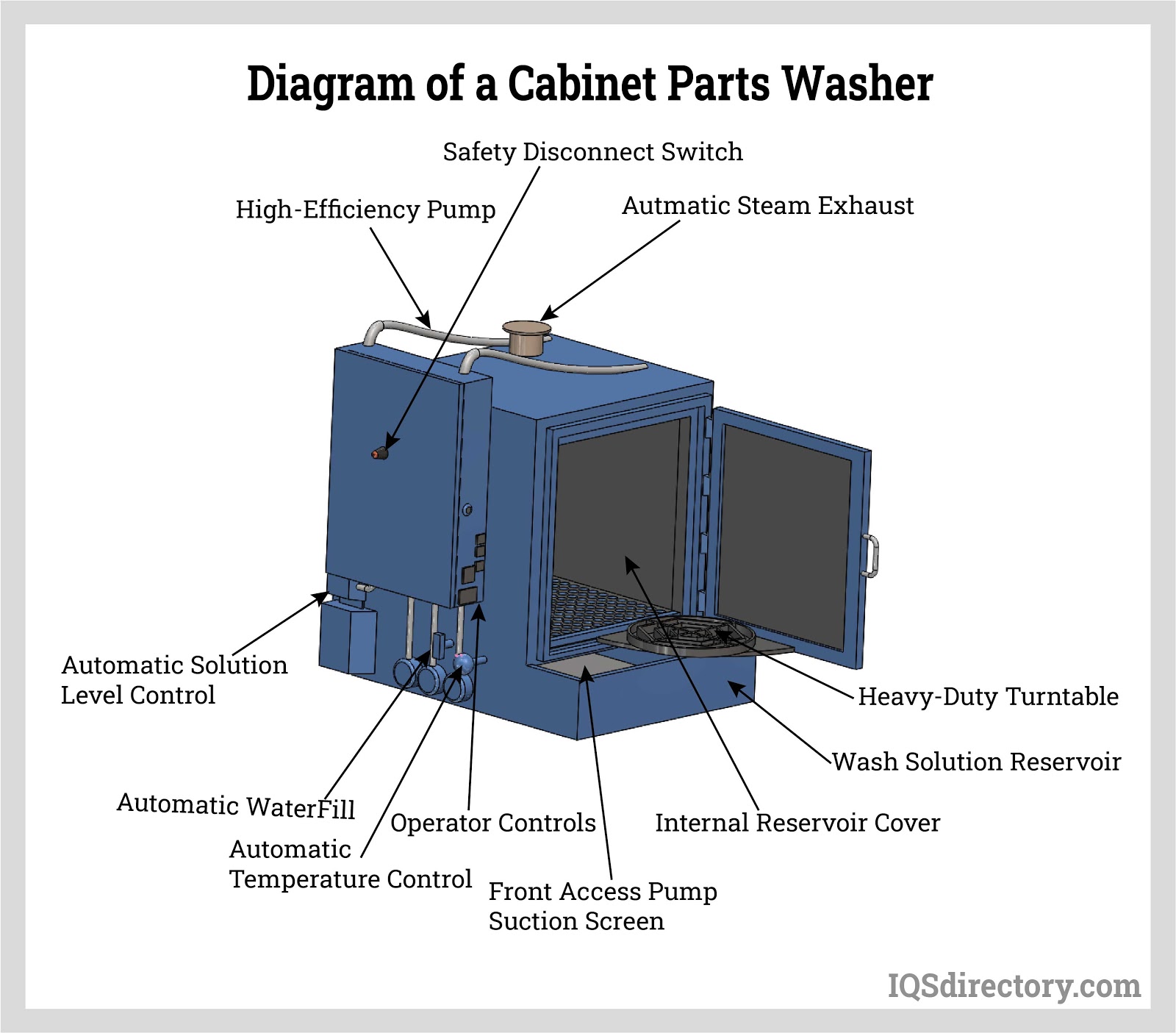
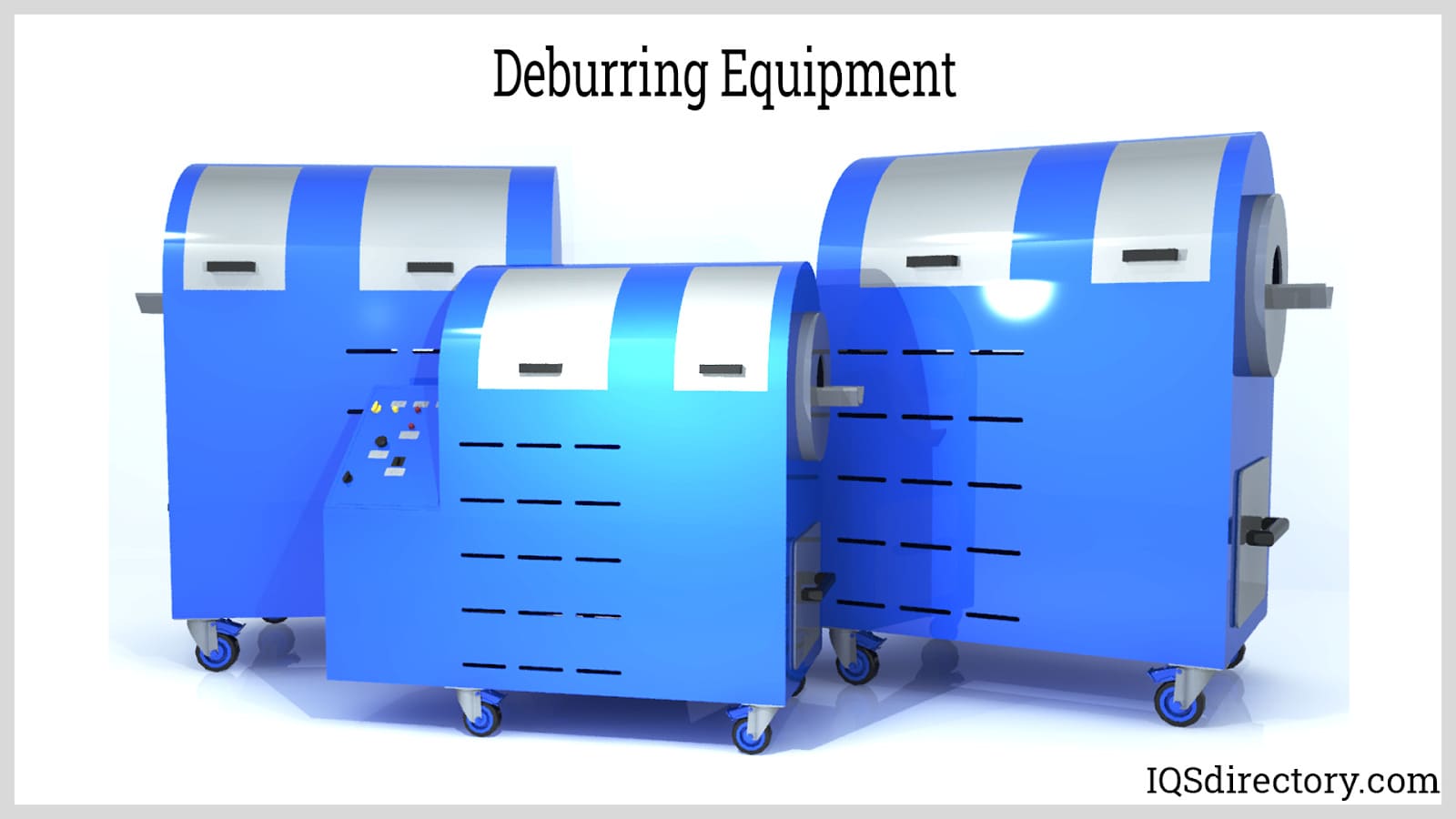
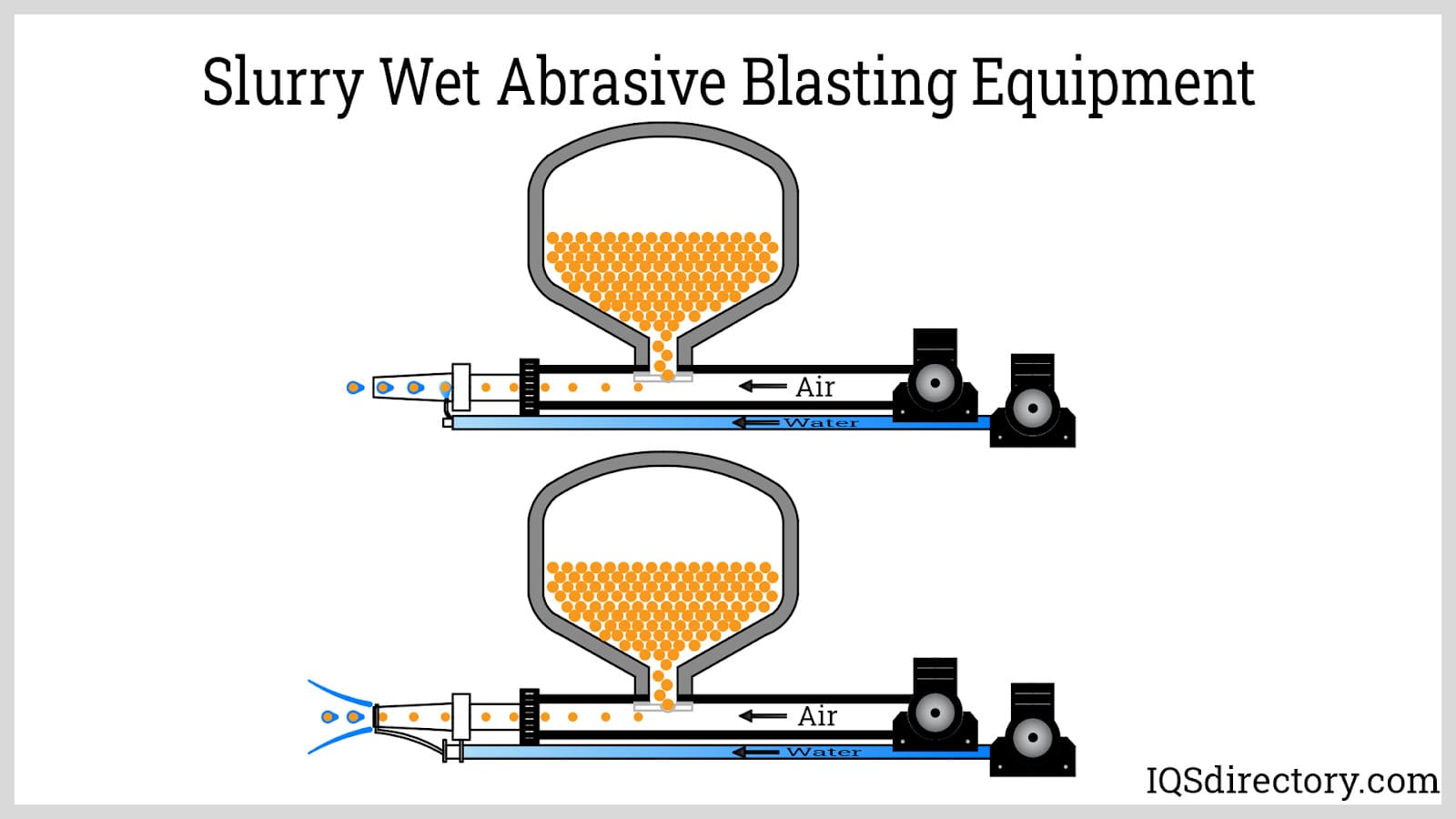
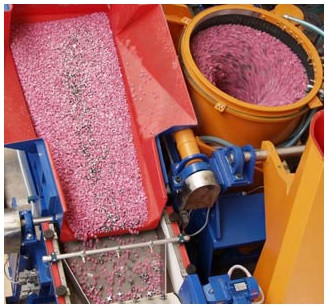
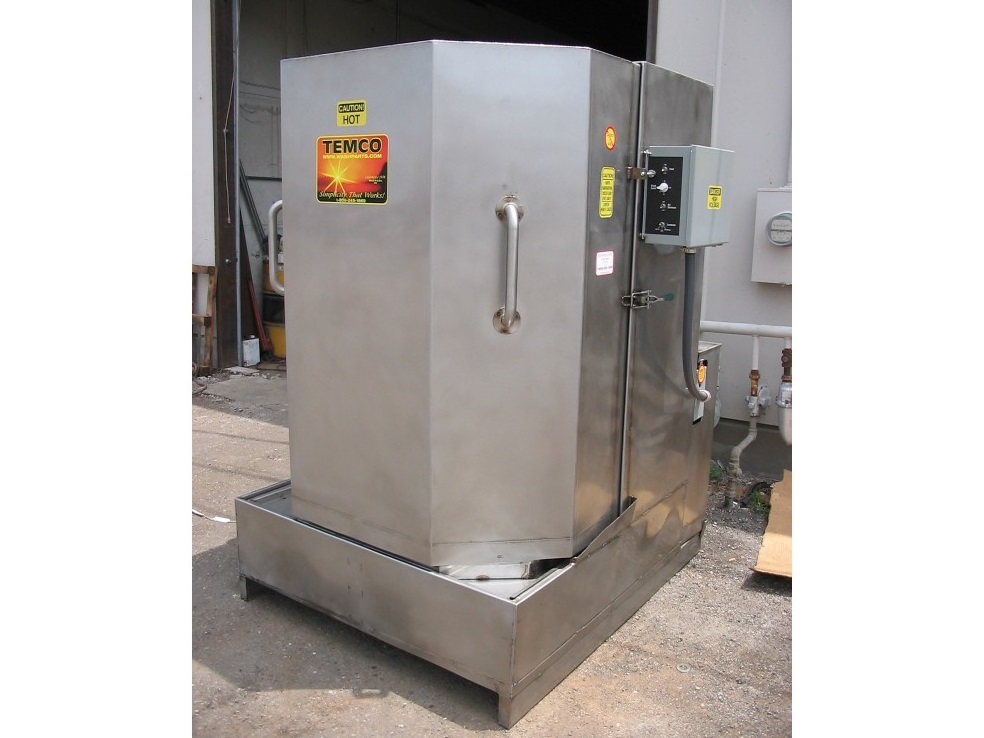
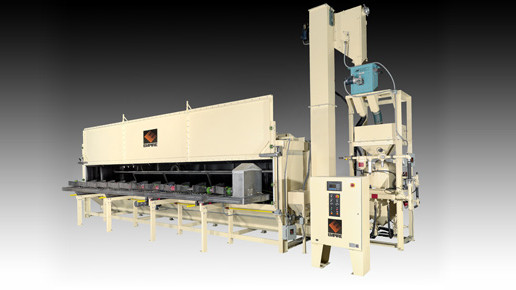
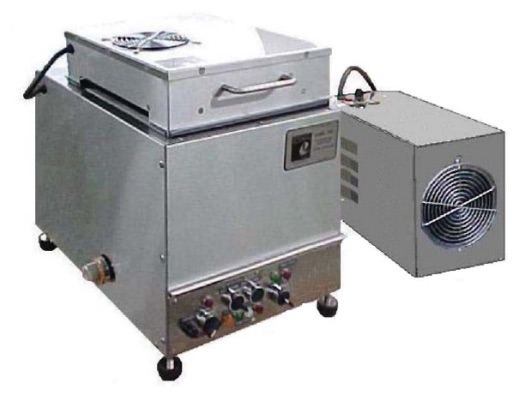
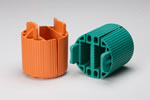
These are cleaning equipment that uses aqueous cleaners to remove debris or contaminants like oil, grime, dirt, cutting fluids, carbon, and paint from workpieces. They are used in new manufacturing processes as well as remanufacturing processes. Read More…
Niagara Systems LLC has offered turnkey custom parts washing systems for over 80 years. With our customization capabilities, our parts washing systems stand out from the competition.
Great Lakes Finishing Equipment, Inc. specializes in supplying parts washers for even the most demanding cleaning jobs. Equipment includes table washers, drum washers, aqueous rotary baskets, aqueous belt washing systems, & more. Let our parts washing specialists assist you with your specific washing applications. Contact us today for all of your parts washer needs.
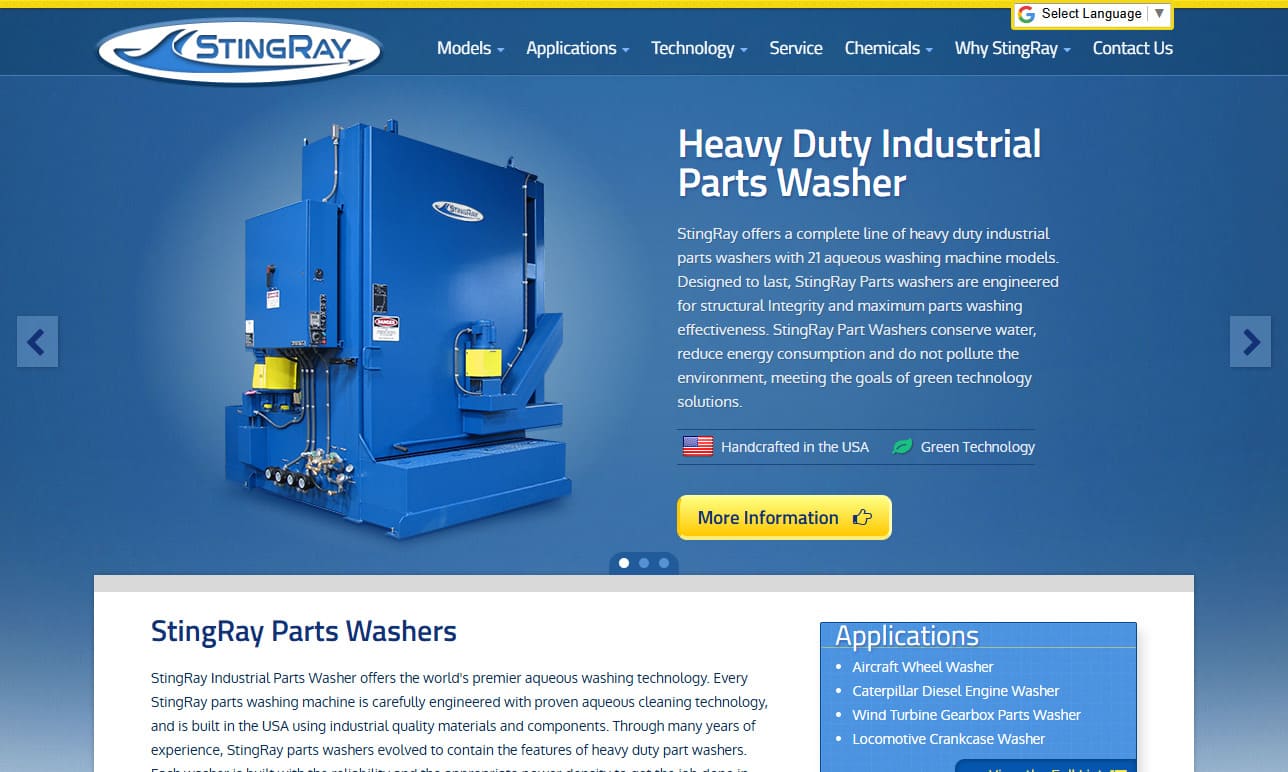
Need help with a parts washer to clean your dirty parts? Contact StingRay to get a quote for an engineered parts washer. StingRay Parts Washer offers a complete solution to your cleaning needs which includes fixturing of your parts, industry approved detergent, engineered parts washer, and the most complete customer service in the industry.


More Aqueous Parts Washer Manufacturers
Aqueous parts washers are advanced industrial cleaning systems engineered to degrease, wash, and dry a variety of large and small components. They are vital tools in manufacturing, automotive repair, aerospace maintenance, and remanufacturing operations. These systems efficiently remove oils, greases, carbon, and contaminants from parts such as fasteners, bolts, nuts, gears, and more. Unlike traditional solvent-based parts washers, aqueous parts washers utilize water-based cleaning solutions that are both biodegradable and environmentally friendly, delivering strong cleaning performance with enhanced operator safety.
Whether your facility is preparing metal parts for assembly, prepping surfaces for coating, conducting quality inspections, or packaging and distributing finished goods, aqueous parts washers streamline workflows, improve part cleanliness, and support regulatory compliance. Organizations seeking to upgrade to eco-friendly industrial cleaning solutions increasingly choose aqueous parts washers for their efficiency, cost-effectiveness, and broad application versatility.

Composition of Aqueous Cleaners
The effectiveness of aqueous cleaning technology relies on a carefully formulated blend of components designed to break down, suspend, and remove a wide range of industrial soils and contaminants. The main ingredients of aqueous cleaning solutions include:
Wetting Agents (Surfactants)
Wetting agents, also known as surfactants, play a crucial role by reducing the surface tension of water. This enables the cleaning solution to penetrate and loosen soils that are tightly bonded to the surfaces of industrial parts. By emulsifying oils and dispersing dirt, surfactants ensure that contaminants are lifted away from the parts and kept suspended in the solution, preventing redeposition and ensuring consistently clean results. The use of high-performance surfactants is especially important in industries where precision cleaning is required, such as aerospace, medical device manufacturing, and electronics.
Sequestering and Chelating Agents
Sequestering and chelating agents are added to aqueous cleaners to bind and neutralize mineral ions commonly found in hard water. By controlling water hardness, these agents prevent minerals from reacting with active cleaning ingredients, thereby maximizing cleaning power and prolonging the effectiveness of the detergent. This is particularly important in facilities with variable water quality, where consistent cleaning results are essential for product quality and process efficiency.
Alkaline Salts
Alkaline salts, such as sodium hydroxide and potassium hydroxide, increase the pH of the solution and significantly boost its degreasing capability. Alkalinity helps to break down and dissolve tough organic soils, carbon deposits, and heavy greases. However, because alkaline solutions alone have poor wetting properties, they are always combined with surfactants to ensure thorough soil suspension and removal. The synergy between alkaline salts and surfactants is a key factor behind the superior cleaning performance of aqueous parts washers.
Other Additives
Modern aqueous cleaners may also include corrosion inhibitors, antifoaming agents, and specialized detergents to enhance cleaning results, protect sensitive metal substrates (such as aluminum or magnesium), and optimize compatibility with automated cleaning equipment. These additives further expand the suitability of aqueous parts washers across a diverse range of industrial cleaning applications.
Types of Aqueous Parts Washers
Aqueous parts washers are available in various configurations to address different cleaning requirements, part sizes, soil types, and production volumes. Understanding the main types of aqueous parts washers will help you choose the right system for your facility’s needs. Explore the common types below:
Spray Washers
Spray washers utilize powerful jets of heated aqueous cleaning solution, delivered at high pressure inside an enclosed cabinet. The mechanical force of the spray rapidly dislodges oils, grease, and particulate matter from part surfaces, while heat and chemistry accelerate soil removal. Spray cabinet parts washers are available in a wide range of sizes and load capacities, making them ideal for batch processing, automotive rebuild shops, heavy equipment maintenance, and manufacturing environments where high-throughput cleaning is essential.

Ultrasonic Parts Washers
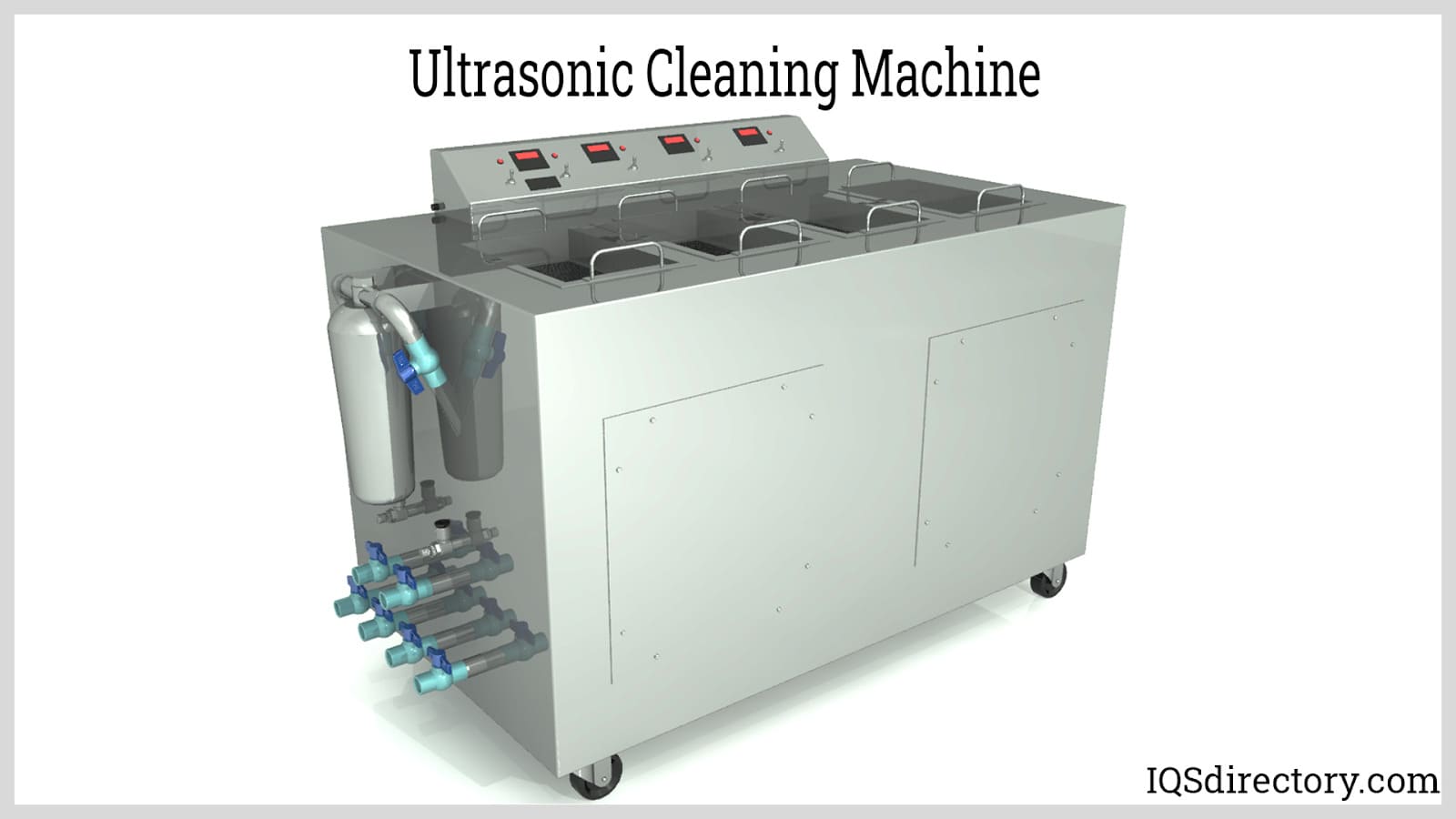
Ultrasonic parts washers employ a stainless steel tank filled with a water-based cleaning solution, coupled with piezoelectric transducers mounted to the tank walls or base. These transducers generate high-frequency sound waves (typically 20–80 kHz), producing microscopic cavitation bubbles that implode against part surfaces. This intense, yet gentle, scrubbing action cleans even the most intricate geometries—such as blind holes, internal passages, and fine threads—making ultrasonic cleaning systems indispensable for precision cleaning in industries like aerospace, medical device manufacturing, electronics, and laboratory settings. Ultrasonic parts washers deliver unmatched cleaning results for delicate or complex assemblies that cannot withstand aggressive spraying or manual scrubbing.

Rotary Drum Washers
Rotary drum washers combine tumbling action with immersion and spray cleaning to process high volumes of small or bulk parts. As parts travel through a rotating, perforated drum, they are submerged and agitated in the heated aqueous solution while being simultaneously sprayed and rinsed. This continuous cleaning process is highly efficient for removing lubricants, chips, and soils from machined or stamped parts in automotive, aerospace, and general manufacturing industries. Rotary drum aqueous washers are valued for their throughput, consistency, and ability to automate cleaning in demanding production environments.

Sink-Top Parts Washers
Sink-top aqueous parts washers are compact, benchtop units ideal for manual cleaning of small batches of parts with light to moderate soil loads. Operators use a flow-through brush or nozzle to direct the cleaning solution onto the parts, scrubbing away contaminants by hand. These systems are widely used in automotive repair shops, maintenance departments, laboratories, and facilities where space is limited and targeted cleaning is required. Sink-top washers offer flexibility, ease of use, and economical operation for lower-volume applications.
Immersion Spray Units
Immersion spray parts washers are specially designed to clean complex shapes, tubular components, and cylindrical parts that are difficult to clean with spray-only systems. Parts are fully immersed in the heated aqueous cleaning solution, often on a reciprocating or agitating platform to enhance soil removal. Simultaneously, the system may spray the solution into cavities or over intricate surfaces, ensuring complete coverage. Immersion spray systems are especially effective for removing oils, chips, and particulates from internal cavities, cooling channels, and hard-to-reach areas on machined or fabricated components.

With agitation and comprehensive solution flow, immersion spray units deliver thorough cleaning for parts with internal passages or intricate assemblies, supporting high-quality results in sectors such as hydraulics, aerospace, and automotive manufacturing.
Applications and Uses of Aqueous Parts Washers
Aqueous parts washers are integral to a wide range of industrial and commercial operations. Their versatility, safety, and cleaning power make them the preferred choice for:
- Automotive Industry: Engine rebuilders, transmission shops, and automotive component manufacturers use aqueous parts washers for degreasing, cleaning, and preparing parts such as cylinder heads, crankshafts, pistons, and brake assemblies for inspection or reassembly.
- Aerospace Sector: Aerospace maintenance facilities rely on aqueous cleaning systems to remove hydraulic fluids, lubricants, and carbon deposits from precision-engineered components, ensuring optimal performance and safety.
- Manufacturing and Metalworking: Parts washers are used to clean machined or stamped metal parts, removing oils, chips, and debris before painting, coating, welding, or assembly.
- Medical Device Industry: Precision cleaning of surgical instruments, implants, and medical devices is achieved using ultrasonic and immersion aqueous washers, supporting stringent hygiene and quality standards.
- Electronics Manufacturing: Aqueous cleaning systems remove flux residues, solder pastes, and particulates from printed circuit boards and electronic assemblies, supporting reliability and performance.
- General Maintenance and Remanufacturing: Facilities engaged in equipment refurbishment, parts recycling, or industrial maintenance benefit from aqueous parts washers for safe, effective cleaning of used or worn components.
- Cleaning Metal Pipes and Tubing: Specialized immersion and spray systems clean the interior and exterior surfaces of pipes, tubes, and cylindrical parts used in a variety of industries.
Typical Use Cases for Aqueous Parts Washers
- Pre-cleaning parts before non-destructive testing or inspection
- Preparing surfaces for painting, powder coating, or plating
- Removing manufacturing lubricants, coolants, or forming oils
- Degreasing and cleaning of fasteners, nuts, bolts, and bearings
- Supporting lean manufacturing and just-in-time production by automating parts cleaning
- Safe removal of hazardous or environmentally regulated contaminants
Benefits of Aqueous Parts Washers
Switching to aqueous parts washers offers numerous advantages for industrial and commercial users seeking efficient, sustainable cleaning solutions. The key benefits of aqueous parts washers include:
Low VOC Content
Aqueous cleaners are water-based, containing little to no volatile organic compounds (VOCs). This dramatically reduces worker exposure to hazardous fumes and minimizes the environmental impact associated with solvent emissions. Facilities using aqueous parts washers benefit from improved indoor air quality and easier compliance with air quality regulations such as OSHA and EPA standards.
No Powerful Odors
Thanks to their low VOC content, aqueous cleaning solutions produce minimal odors compared to harsh solvent-based cleaners. This enhances workplace comfort and safety, reducing the risk of health issues such as respiratory irritation, headaches, and nausea. Low-odor cleaning also enables parts cleaning operations to be performed closer to assembly lines and sensitive production areas.
Reduced Air Pollution
Aqueous-based cleaners contain negligible hazardous air pollutants (HAPs), helping companies lower their environmental footprint and meet sustainability goals. By using aqueous parts washers, organizations can contribute to cleaner air in their facilities and communities.
Ease of Automation and Integration
The stability and predictability of water-based cleaning solutions make aqueous parts washers easier to automate and integrate into existing production lines or industrial processes. Automated aqueous systems can be configured for continuous, batch, or inline cleaning, supporting high throughput and consistent results while reducing labor costs and operator intervention.
Environmental Sustainability (“Green Cleaning”)
By replacing hazardous solvents with biodegradable, water-based solutions, aqueous parts washers support green manufacturing initiatives. Many aqueous detergents are formulated to be phosphate-free and non-toxic, further reducing environmental risk. Responsible disposal and recycling practices are also easier to implement with aqueous systems, helping facilities meet ISO 14001 environmental management standards.
Material Compatibility and Corrosion Protection
Aqueous parts washers can be customized with inhibitors and specialty detergents to clean a wide range of materials, including aluminum, brass, steel, plastics, and composites. This flexibility ensures that sensitive parts are cleaned effectively without causing corrosion, discoloration, or material degradation. Careful selection of solution chemistry is vital for protecting high-value or precision components.
Worker Safety and Regulatory Compliance
Using aqueous parts washers significantly reduces the risk of fire, chemical burns, and toxic exposure compared to solvent-based systems. This enhances overall workplace safety and simplifies compliance with OSHA, EPA, and local hazardous materials regulations. Facilities can also reduce the cost and complexity of hazardous waste handling and disposal.
Cost Savings and Operational Efficiency
While initial investment costs for aqueous parts washers may be similar to or slightly higher than solvent-based units, operational costs are typically lower due to reduced chemical consumption, longer bath life, and easier waste management. Many aqueous washing solutions can be filtered and reused, further driving down long-term costs while supporting sustainable operations.
Consistent, High-Quality Cleaning Results
With advanced chemistry and automation options, aqueous parts washers deliver repeatable, thorough cleaning that meets the stringent quality requirements of modern manufacturing, aerospace, and medical device industries. This supports improved product reliability, longer equipment life, and higher customer satisfaction.
How to Choose the Right Aqueous Parts Washer for Your Application
Selecting the best aqueous parts washer for your facility involves evaluating several important factors. Consider the following decision points to ensure optimal cleaning performance, efficiency, and return on investment:
- Type and Volume of Parts: What are the sizes, shapes, and quantities of parts to be cleaned? High-volume production may benefit from rotary drum or conveyor systems, while low-volume or delicate parts may require ultrasonic or sink-top washers.
- Soil Type and Contaminants: What kinds of soils (oil, grease, carbon, particulates) need to be removed? Heavier soils may require higher alkalinity or mechanical agitation.
- Material Compatibility: Are your parts made from steel, aluminum, plastics, or composites? Ensure the chosen cleaning chemistry is safe for all materials.
- Level of Cleanliness Required: Do you need basic degreasing or precision cleaning for critical assemblies?
- Automation and Throughput Needs: Will the washer be integrated into a production line, or used as a standalone batch unit?
- Space and Utility Requirements: What are your facility’s space constraints, electrical supply, and wastewater management capabilities?
- Environmental and Regulatory Considerations: Are there specific environmental, safety, or compliance requirements for your industry or location?
- Budget and Lifecycle Costs: Consider not just the initial purchase price, but also ongoing costs for detergent, maintenance, energy, and waste disposal.
Still unsure which aqueous parts washer is right for your business? Ask these questions to guide your research:
- What’s the difference between spray, immersion, and ultrasonic aqueous parts washers?
- How can I maximize cleaning performance while minimizing chemical usage and waste?
- Are there aqueous cleaners compatible with sensitive materials like aluminum or electronics?
- What maintenance and support services are available for industrial parts washers?
- How do aqueous parts washers compare to solvent-based systems in terms of cost and compliance?
- What are the best practices for waste management and solution recycling with aqueous washers?
Choosing the Right Aqueous Parts Washer Manufacturer
To ensure you achieve the best results and return on investment, it is essential to partner with a reputable aqueous parts washer manufacturer. When evaluating suppliers, use our comprehensive directory of aqueous parts washer manufacturers to compare multiple companies based on their capabilities, industry expertise, and customer support. Each manufacturer listing includes a detailed business profile, areas of specialization (such as custom system engineering, automation, or environmentally advanced solutions), and direct contact options for inquiries or quote requests.
Ready to request a quote or learn more? Review each aqueous parts washer company’s website using our patented previewer to quickly understand their unique offerings. Then, streamline your purchasing process by using our convenient RFQ form to contact several aqueous parts washer manufacturers at once, ensuring competitive pricing and tailored solutions for your specific needs.
Contact multiple manufacturers today to compare quotes, discuss your application, and find the right aqueous parts washer for your business.
Frequently Asked Questions About Aqueous Parts Washers
- What maintenance is required for aqueous parts washers? Regularly monitor and change the cleaning solution, clean or replace filters, inspect spray nozzles, and perform routine system checks to maintain peak cleaning performance.
- Can aqueous parts washers handle heavy-duty industrial soils? Yes, high-alkaline and surfactant-rich solutions, combined with mechanical action, effectively remove heavy greases, oils, and carbon deposits from industrial components.
- Are aqueous parts washers safe for aluminum and sensitive metals? Many aqueous detergents are formulated with corrosion inhibitors and are compatible with aluminum, brass, and other sensitive materials. Always confirm compatibility with your supplier.
- How do aqueous parts washers support environmental compliance? By eliminating or minimizing hazardous solvents, reducing VOC and HAP emissions, and making waste management easier, aqueous systems help facilities meet environmental regulations.
- What is the expected lifespan of an aqueous parts washer? With proper maintenance, commercial and industrial aqueous parts washers can deliver reliable service for 10–20 years or more.
Next Steps: Find the Best Aqueous Parts Washer Solution for Your Business
Whether you’re upgrading from a solvent-based system or implementing industrial parts cleaning for the first time, switching to an aqueous parts washer can enhance cleaning quality, reduce environmental impact, and improve operational safety. Begin your search by exploring leading aqueous parts washer manufacturers, reviewing their product offerings, and requesting custom quotes tailored to your unique requirements. Take the next step towards safer, greener, and more efficient parts cleaning today.